EXPERTISE
ABOUT US
engineeria is a consulting structural and civil engineering practice, based in London, founded in 2014. Our directors bring experience from leading design-led practices across the UK and Europe.
We work by 5 core values:
- Innovation. We invest in learning and technical research to keep our solutions efficient and current.
- Collaboration. We work closely with clients and partners to deliver integrated solutions.
- Excellence. We hold high technical standards and stand behind our work.
- Integrity. We act with honesty and accountability, prioritise our clients’ interests, and take environmental and societal responsibility seriously on every project.
- Responsiveness. We’re reliable and proactive, and communicate clearly when something changes.
Our work spans every scale of project, including residential, mixed-use towers, data centres, masterplanning, land development and worldwide hospitality. What matters to us is the outcome, not the scale of the job.
We help clients understand a site and its constraints early, before committing time or budget to a direction. This holds whether we’re leading the design, carrying out due diligence, or checking someone else’s work. This is where the most value gets created. It’s also where poor decisions are cheapest to avoid.
We work with the client and design team to balance aesthetics against efficiency. That means assessing constraints, structure, drainage and infrastructure early enough to shape the design. It also means supporting the design team to achieve the outcome they’re working towards.
We assess the options available to a project, and help the client commit to the direction that best serves their outcome. That means weighing material use, environmental impact, cost and the benefit to the people who’ll use the space, not optimising one at the expense of the others. The choices made here carry through everything that comes after.
We don’t just deliver what’s asked and step back. Where a decision affects our design, we raise it and help lead it. We coordinate civil and structural design together in 3D, keeping pace with how the industry works, and are comfortable working within a federated BIM model. This ensures clashes are avoided and nothing is designed in isolation, so what gets built matches what was designed. There’s little room left to add value once construction starts, but plenty to lose if it isn’t done right.
SERVICES
engineeria provides structural and civil engineering services from early feasibility through to construction.
Structural Engineering
- Structural design. New build, refurbishment and heritage, external structures, transfer structures. All materials.
- Structural assessment. Existing structure and foundation capacity, feasibility for vertical extension.
- Specialist structural design. Seismic design (EC8/IBC), human-induced vibration analysis, reinforcement detailing.
- Bridge design.
- Retaining structure design.
- Temporary works design.
Civil Engineering
- Flood risk assessment.
- Basement impact assessment (BIA).
- Sustainable drainage design (SuDS).
- Below ground drainage design.
- Foul drainage assessment.
- Drainage agreements. Adoption (S104), connection (S106), diversion (S185).
- Highway design.
- Highway agreements. Alterations to the existing highway (S278), new roads offered for adoption (S38).
- Public realm design. Levels design, pavement design, retaining structures, hard landscaping, footways.
- Earthworks analysis. Cut and fill.
- Utility assessments and diversions.
- Infrastructure masterplanning.
Delivery and advisory
- Site appraisal and feasibility.
- Due diligence support.
- 3D modelling and federated coordination.
- Civil and structural carbon assessment.
- Independent checking and peer review. Including Category 3 (independent) checking.
- Construction methodology and management support.
DIGITAL DELIVERY
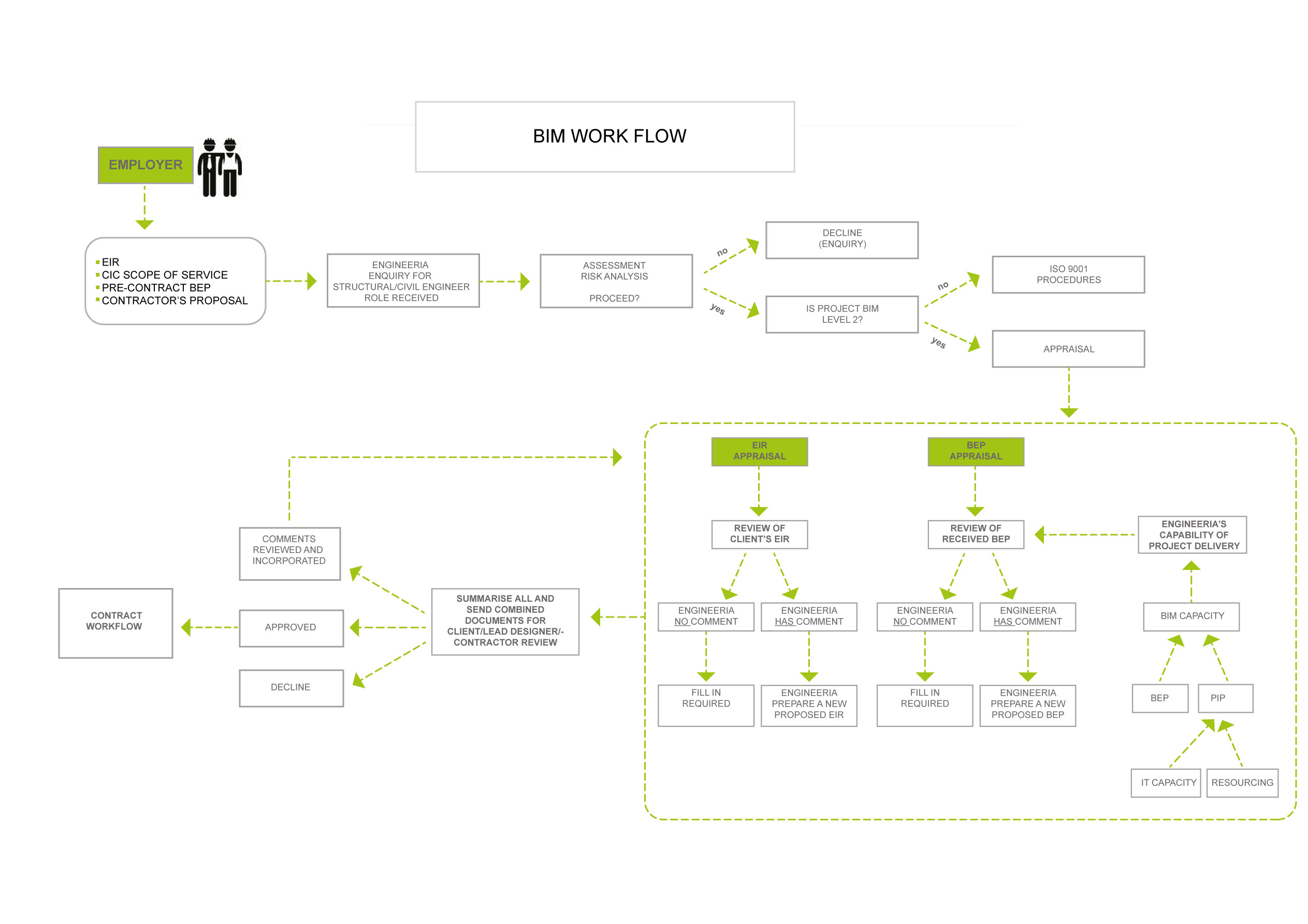
Major projects are modelled in 3D, primarily using Autodesk Revit. This integrates into a federated model with the wider design team, within a fully BIM compliant environment.
Our BIM workflow sets out how this works in practice: starting with the Employer’s Information Requirements (EIR), developing a BIM Execution Plan (BEP), and working within a shared Common Data Environment (CDE).
Coordination and ongoing clash detection are two of the benefits of this approach, and it has made a measurable difference on a number of our projects to date.
We run a regular in-house R&D group to discuss BIM and ways to improve efficiency. Our BIM working practices are embedded in our ISO 9001 QMS procedures.
Recent projects delivered in a digital environment with the design team and client:
- Amanera Resort, Dominican Republic
- Mexico Resort (confidential)
- Walkabout Hotel, Shepherd’s Bush
- Northgate Square, Crawley
SUSTAINABILITY
Since 2019, engineeria is a signatory to Structural Engineers Declare, a climate and biodiversity emergency initiative run by the Institution of Structural Engineers.
We hold ourselves to the same standard we hold our designs to, whether or not a project requires it. We look for practical ways to reduce our own impact — reducing international flights, using drone technology to inspect sites remotely, and cycling or using public transport for site visits.
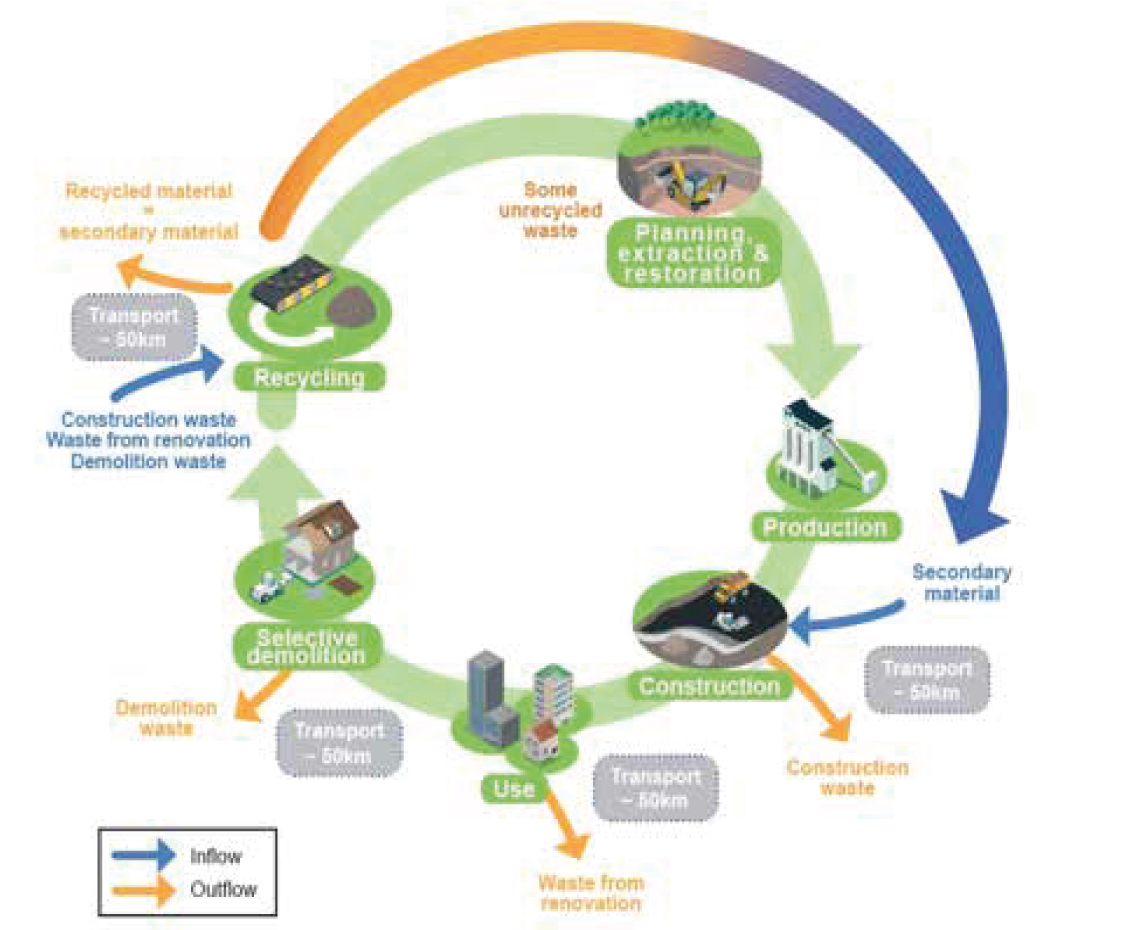
We calculate embodied carbon, optimise material use, and favour retrofit and reuse over demolition and rebuild wherever a project allows it. Environmental impact is factored into every construction methodology we recommend.

Material Choice
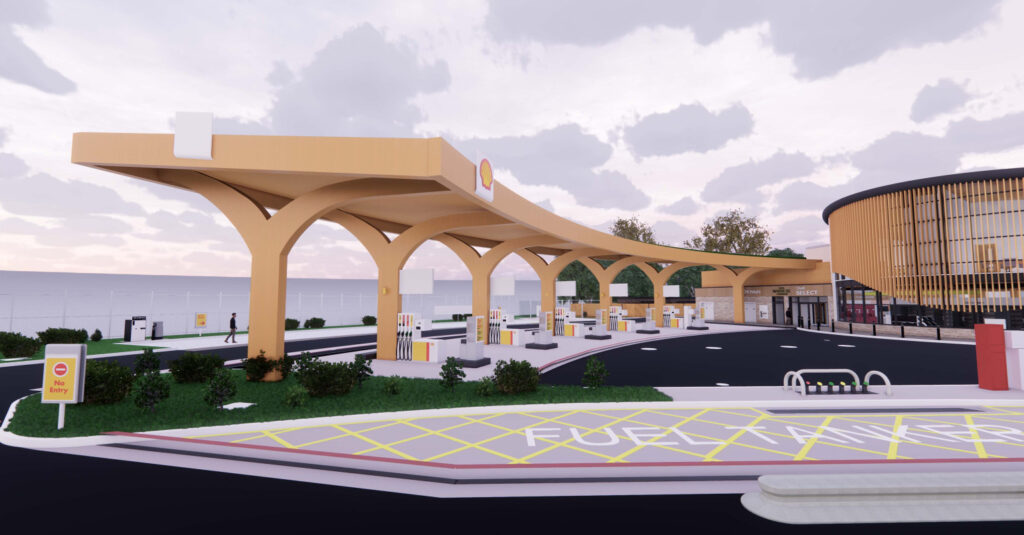
We choose the most efficient material for each project. We advise clients on material options, and on layout adjustments that could unlock efficiencies or allow a more sustainable material to be used. We calculate embodied carbon to inform these decisions.
Minimal Intervention
The best solution is not always a new structure. With careful design and localised strengthening, unnecessary intervention can often be avoided.
Retrofit
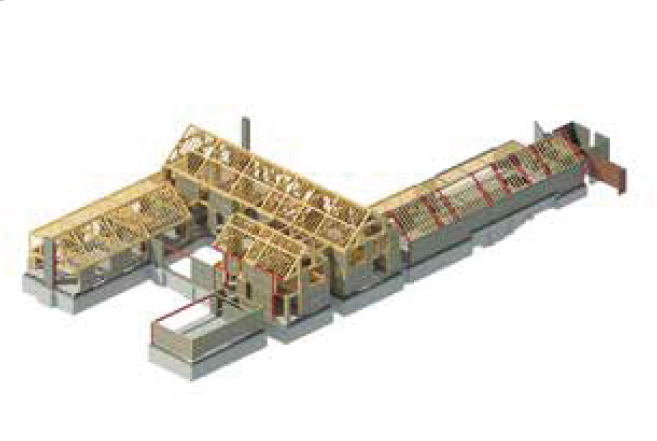
We consider the reuse of existing structures before demolition and rebuild. We identify where existing structural elements could be retained, and are comfortable suggesting changes elsewhere in a design if that allows structure to be kept rather than lost.
We have a track record of justifying the reuse of existing elements, even where they sit outside the strict requirements of design codes written for new build. We support this with first-principles analysis, detailed surveys and in-situ testing where appropriate.
Languages
Our team includes speakers of:
- English
- Spanish
- Albanian
- French
- Italian
- Nepali
- Gujarati
- Afrikaans
- Chinese